
ARCHIVED THEME · 2024–2025
An Invitation to Wonder
A Culture of Learning at Home
Wisdom is born in wonder.
It really is as simple as it sounds. A child outside with nothing scheduled. A child inside with a book and an unhurried hour. Wonder is not a method to adopt or a subject to add. It is what happens when children are given room to ask, and someone at home takes the question seriously.
In its second year CHECH asked families to protect that room. Not more instruction, but more of the conditions under which learning begins on its own.
Christ gives the instruction to adults, and children obey it without being told. Every question a child asks is a small act of seeking. A home that answers questions patiently is teaching something underneath the answer: that reality rewards attention, and that at the end of all asking there is Someone who answers.
Making room
Where wonder takes root
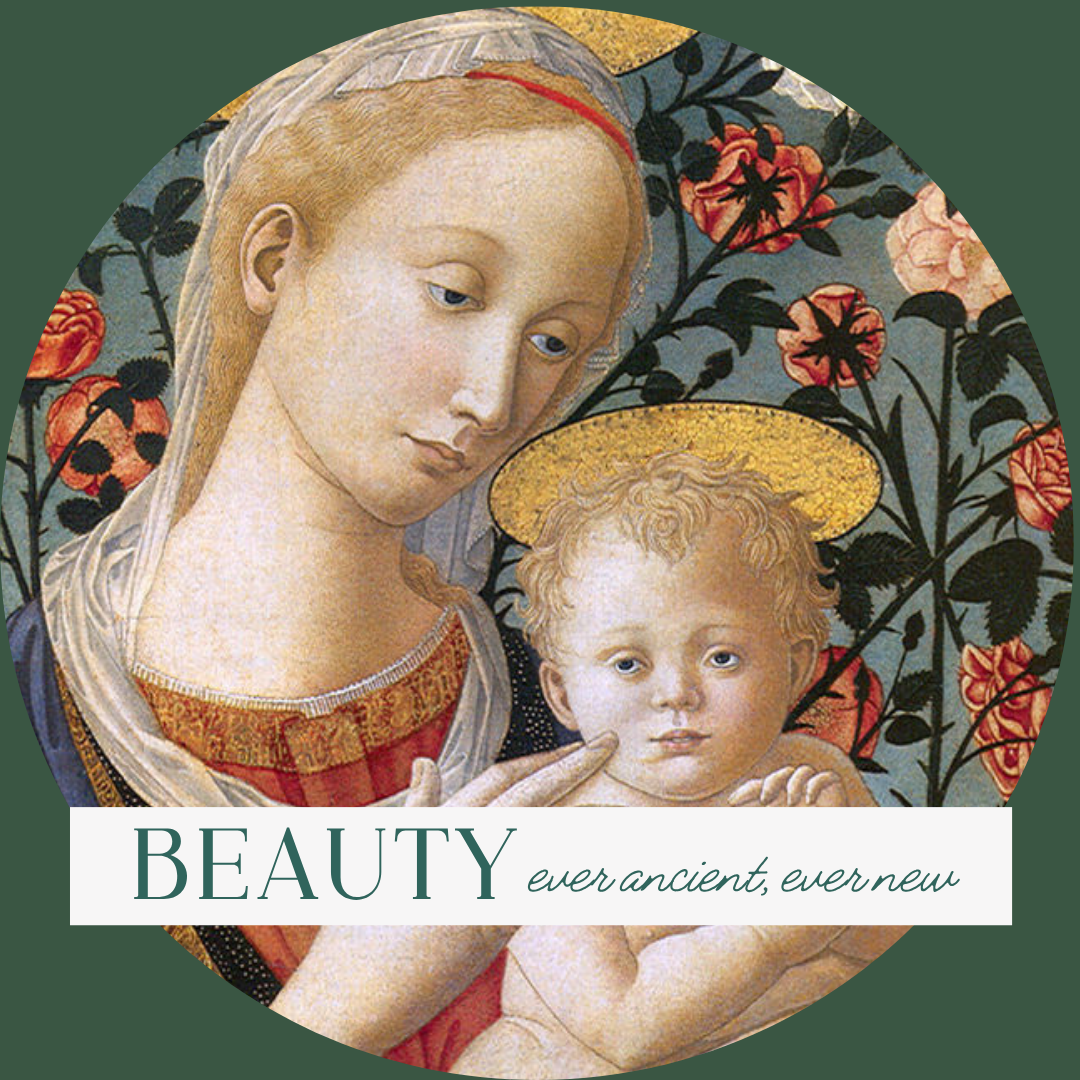
Beauty, ever ancient, ever new
"Late have I loved you, O Beauty ever ancient, ever new, late have I loved you! You called, you shouted, and you broke through my deafness. You flashed, you shone, and you dispelled my blindness.”
ST. AUGUSTINE, CONFESSIONS
A book for the year
Josef Pieper, Leisure: The Basis of Culture (1948). A German Catholic philosopher's short case that the deepest learning is received before it is achieved. The Greek word for leisure, scholē, is the root of our word school, and Pieper takes that seriously: the unhurried hour is where a child first learns to look, to wonder, and finally to pray.
“Only the person who is still can hear, and whoever is not still, cannot hear.”
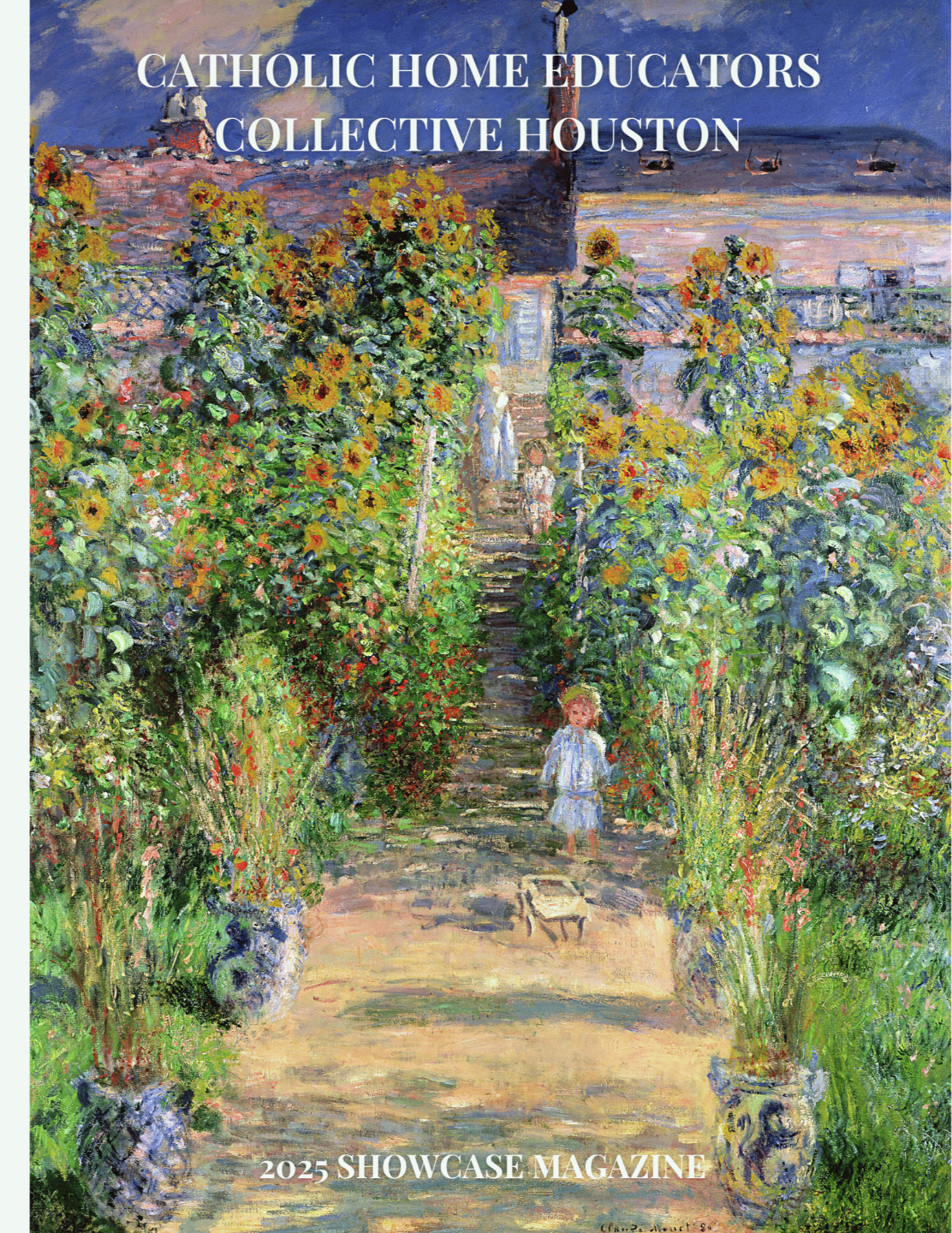
THE COVER ART
Why this painting
Claude Monet's The Artist's Garden at Vétheuil shows his own children playing on a garden path he built himself, sunflowers rising taller than they are on either side. Monet painted this during one of the hardest stretches of his life, and the picture holds no trace of that. A child stops mid-step with a toy wagon, caught by something in the light or the flowers, not going anywhere in particular. That's the whole invitation: wonder doesn't wait for easier circumstances. It's available on an ordinary afternoon, in your own garden, to anyone willing to stop and look.
SHOWCASE MAGAZINE, VOL. 1
An Invitation to Wonder
The debut issue: student artwork, creative writing, and the first CHECH senior class to graduate under the organization's own scholarship and recognition.
The free preview below is under 20 pages: the theme essay, cover story, and a small sample of the issue's design. The full printed magazine holds everything the preview leaves out — every student submission, senior bio, and award and achievement feature from the 2024–2025 year.
If your student is featured inside, the preview won't include their page. The printed copy will.
Only a few printed copies remain.
FROM THE ARCHIVE · SCHOLARSHIP ESSAY PROMPT
What our 2025 seniors were asked
How has your home education journey been influenced by wonder? As you reflect on your homeschool years, where have you experienced wonder? How will you seek wonder in your life after homeschool?
The question did not close with the year. Any student may still answer it, in 500 to 650 words, and send the essay in for this year's Showcase Magazine.
See the 2025 winners in the magazine preview.
Wear the year
The sunrise mark was drawn for this theme and belongs to it. Every piece is printed to order through the CHECH shop, and every purchase supports the enrichments, the magazine, and the senior scholarship.
Each design is printed in small batches for its year, so once a run is gone it does not come back.
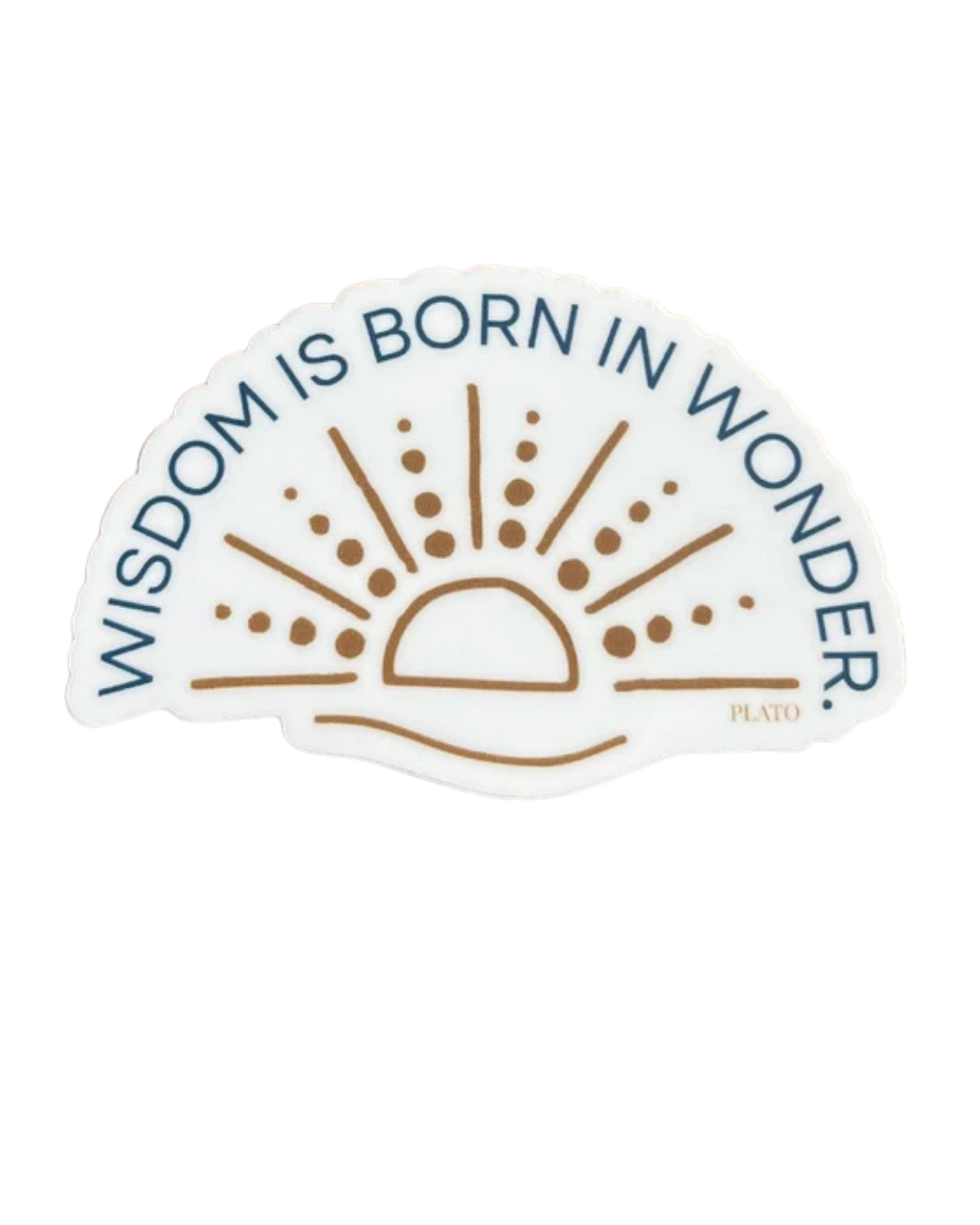
The Sunrise Sticker
Durable vinyl, made for a water bottle, a binder, or the lid of a laptop. The smallest way to keep the year in front of you.
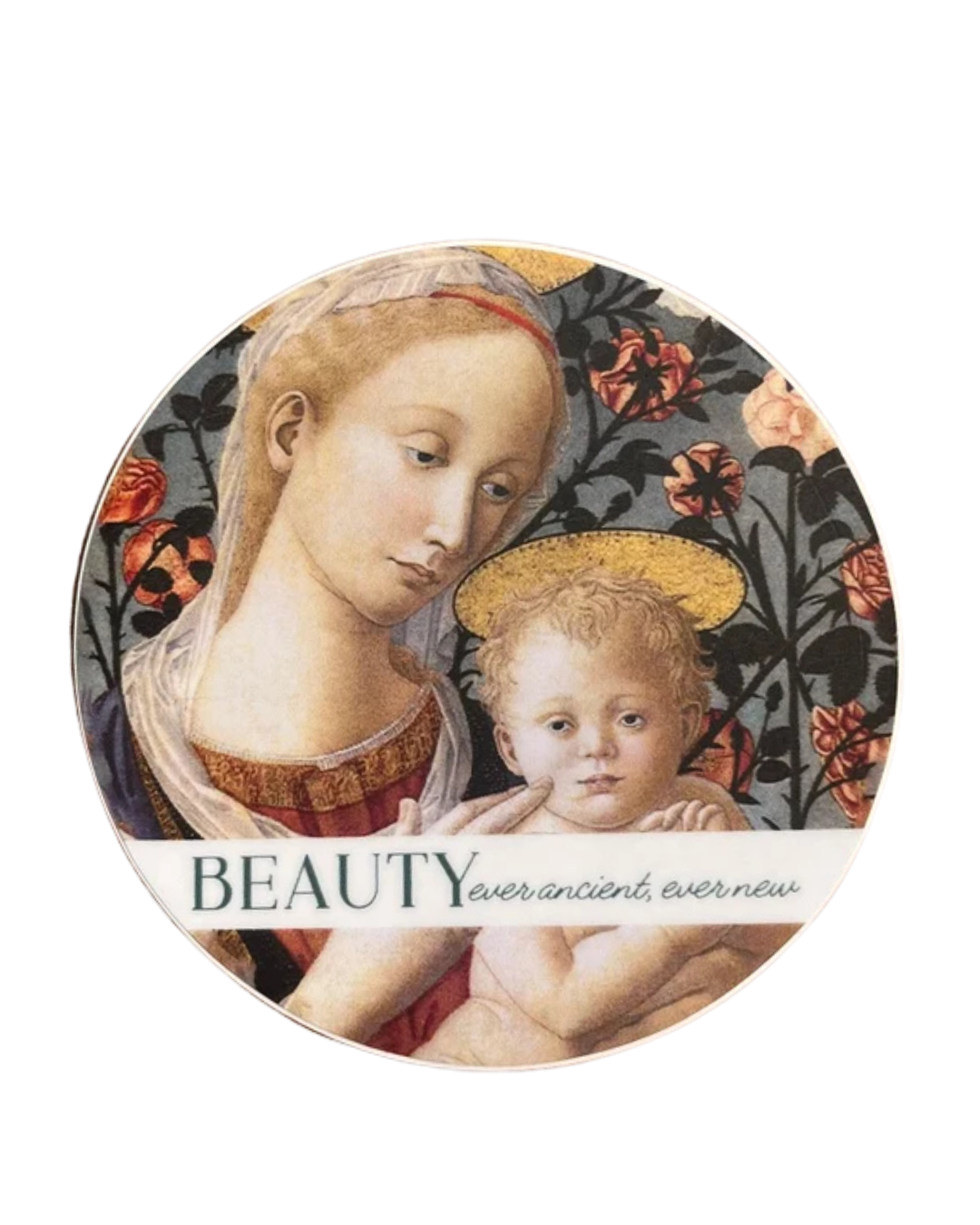
The Beauty Sticker
Augustine's words over a Madonna in roses. Made to be looked at, so give it a notebook cover or a shelf edge rather than a water bottle.
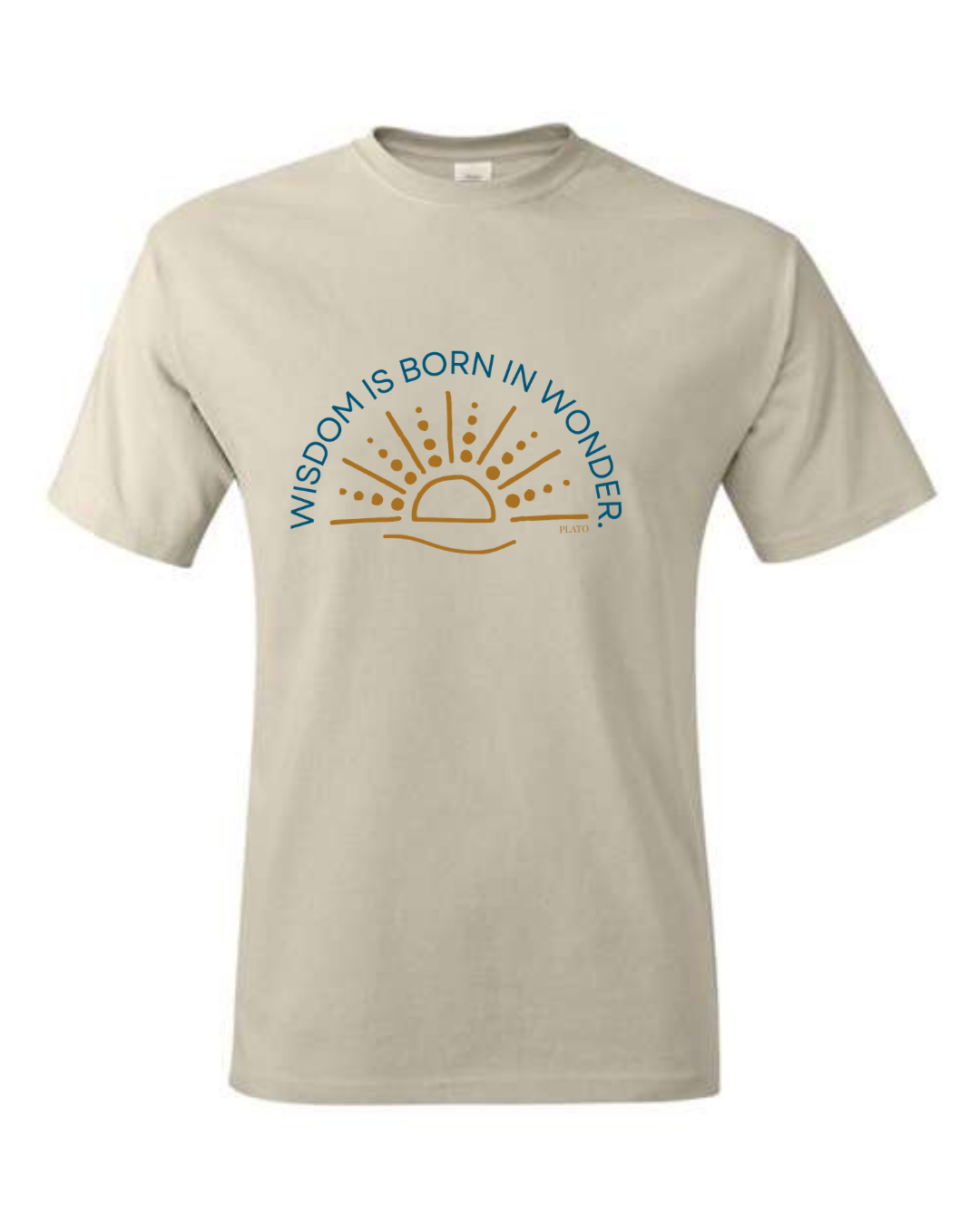
Wisdom Is Born in Wonder Tee
Soft sand cotton, printed with the sunrise mark. Sized for parents and students both, and easy to spot at an enrichment day.
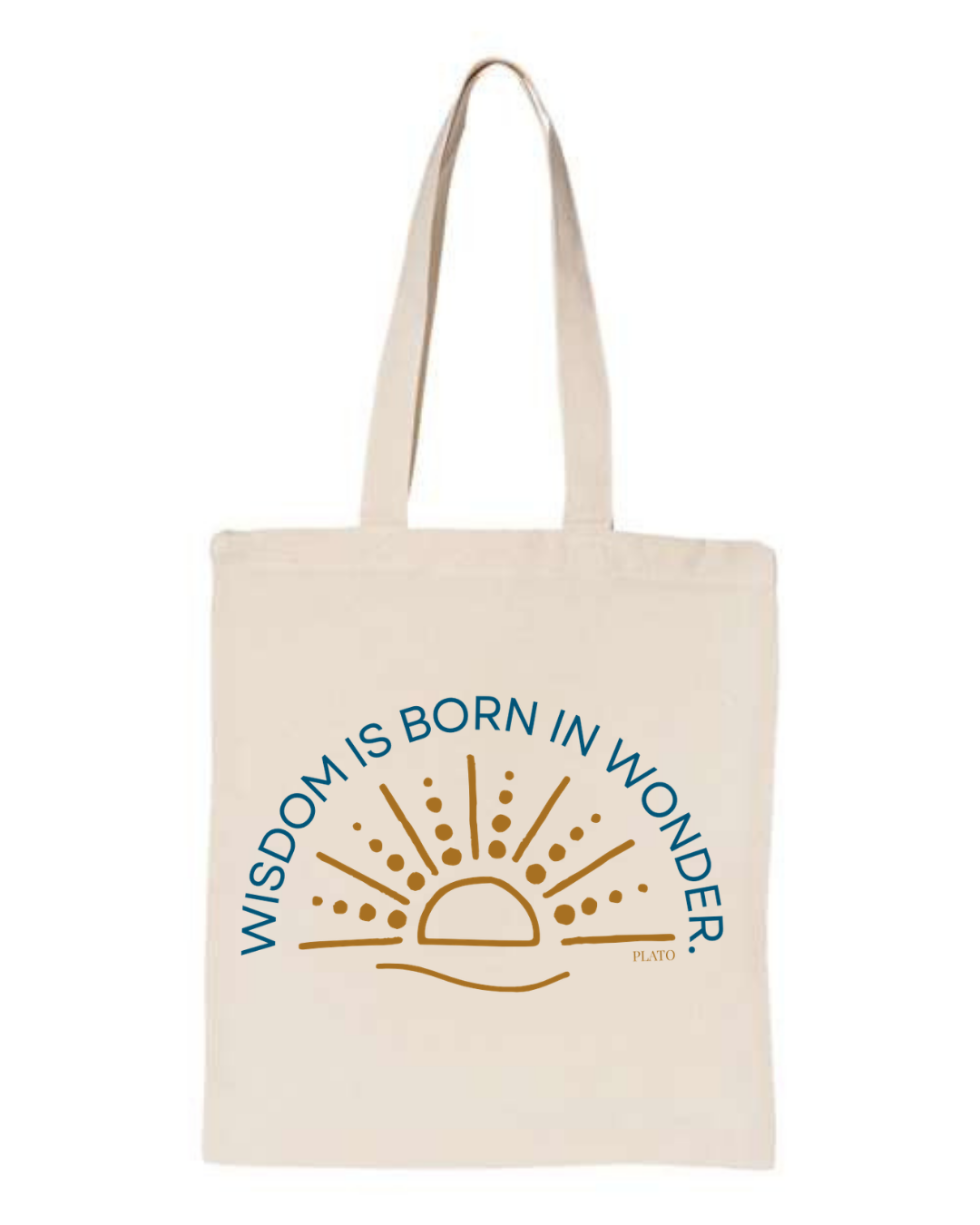
The Sunrise Tote
Natural canvas, roomy enough for a library run and the books that come home with it.
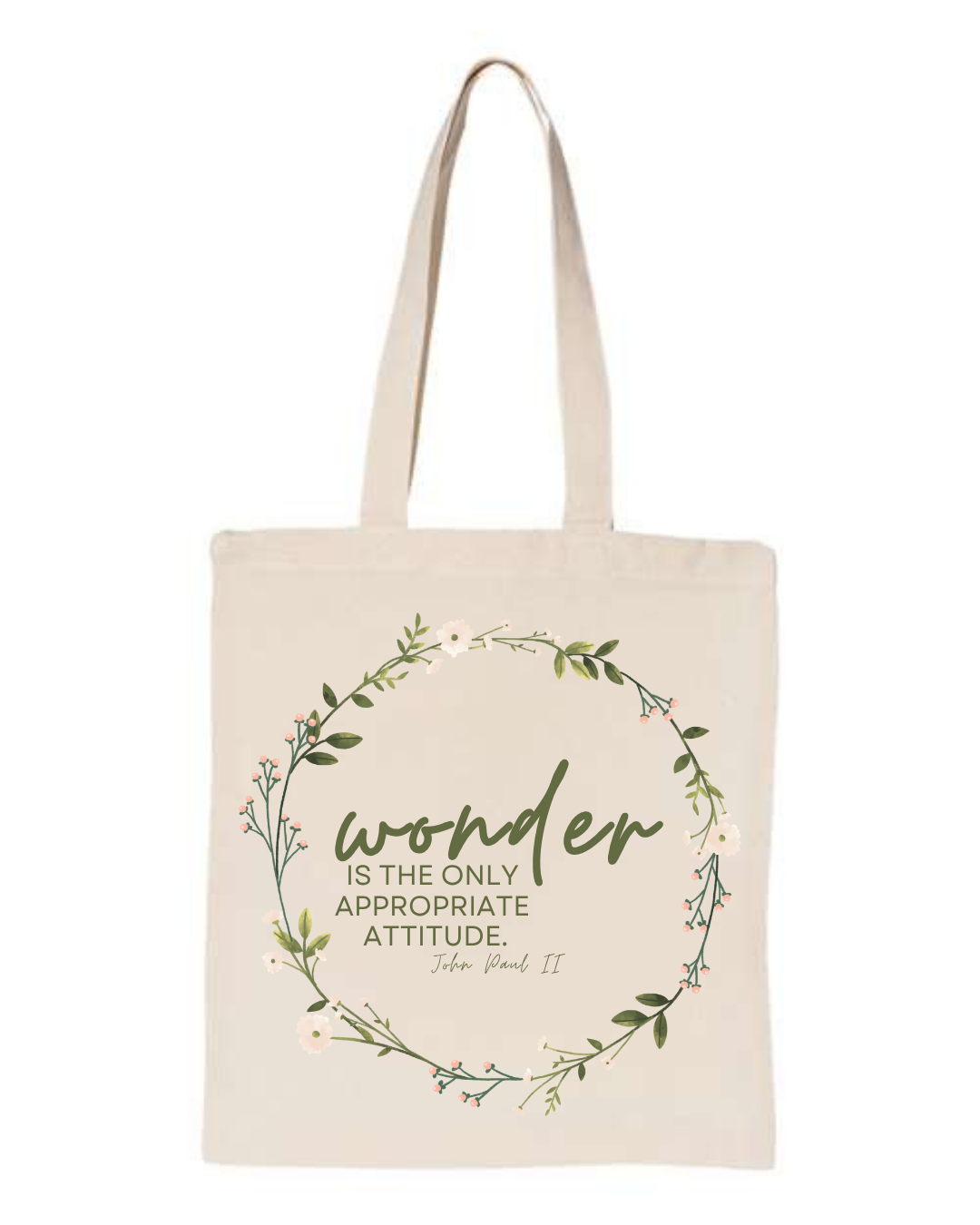
The Wreath Tote
A quieter design, the word set inside a hand-drawn wreath, for anyone who wants the theme carried without the sunrise.
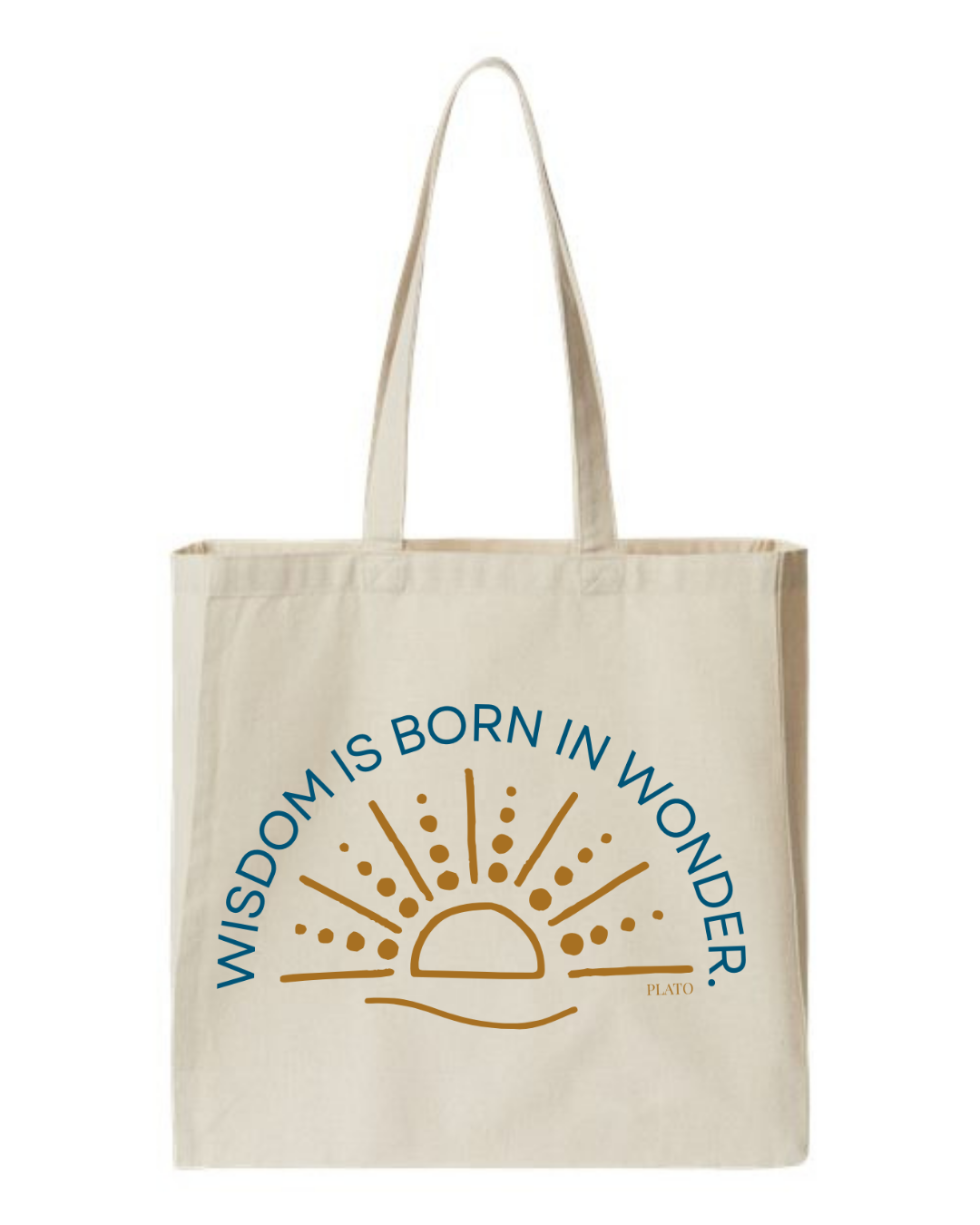
The Sunrise Tote, Large
The same mark on a deeper bag, built for co-op days when everything has to go in one trip.
THE YEAR IN REVIEW
A year spent noticing
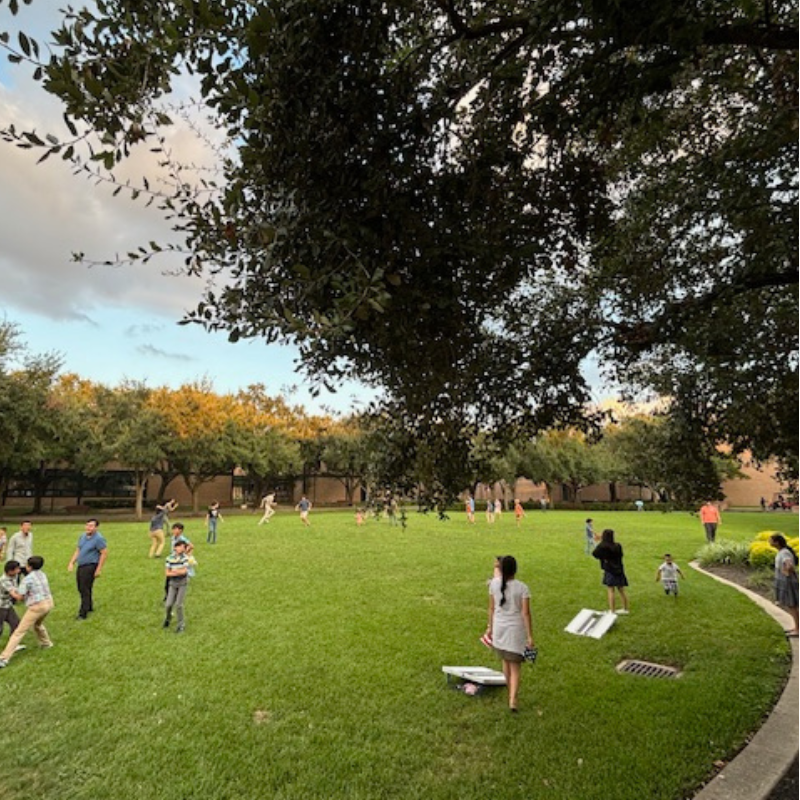
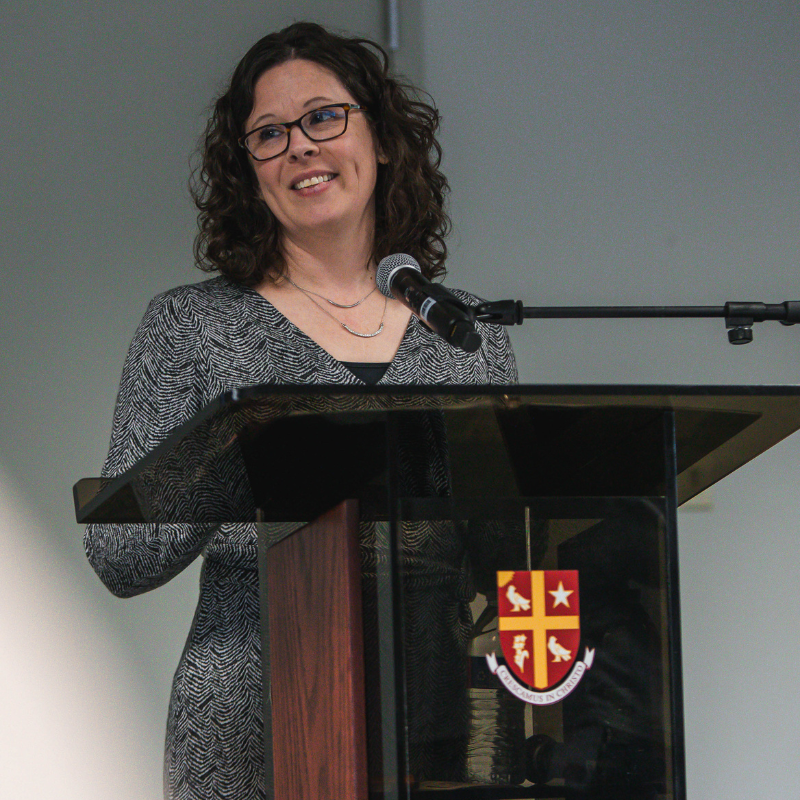
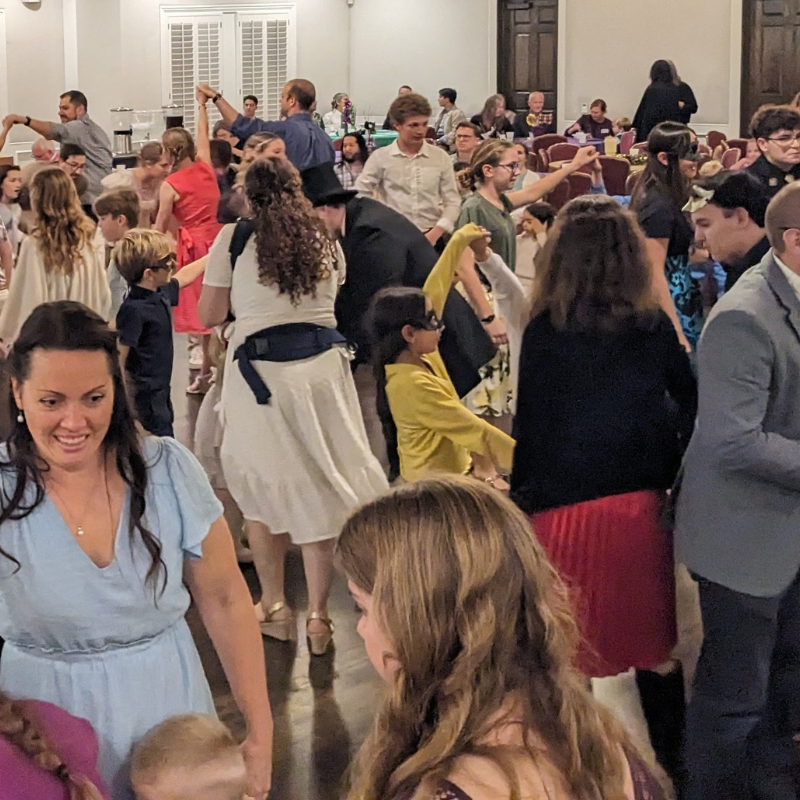
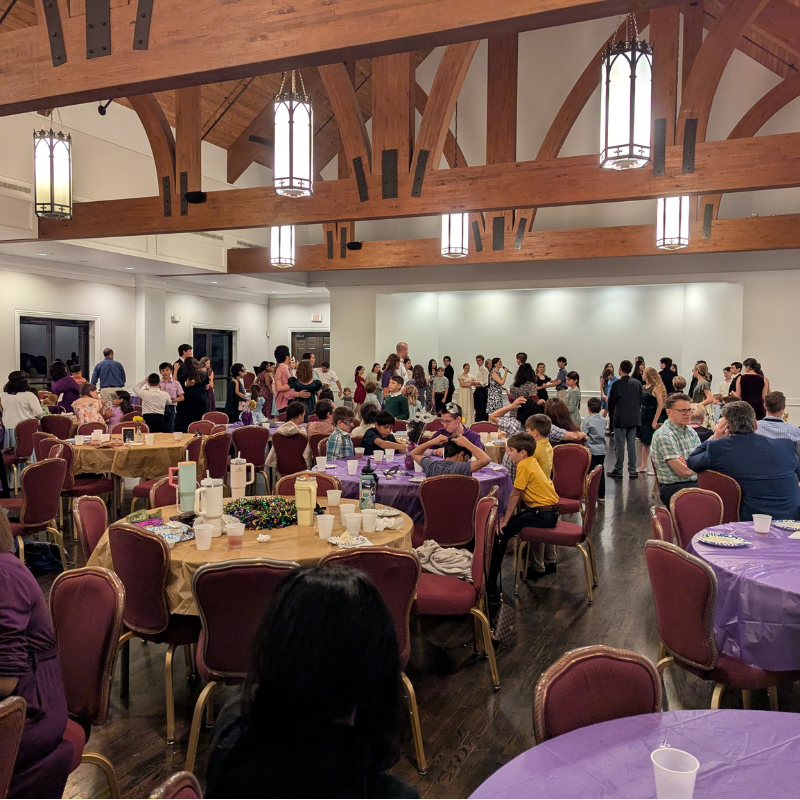
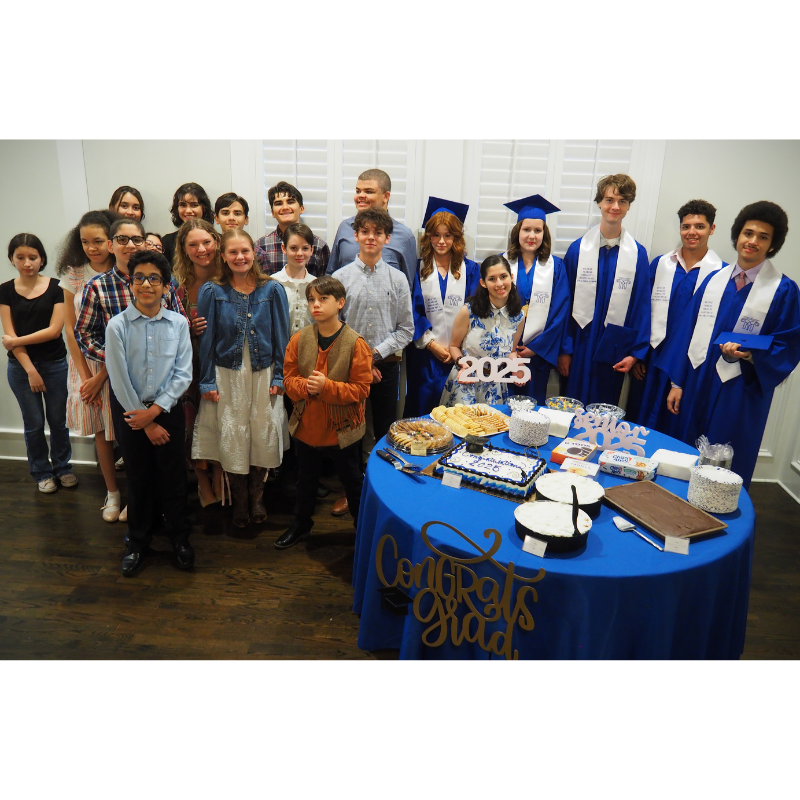
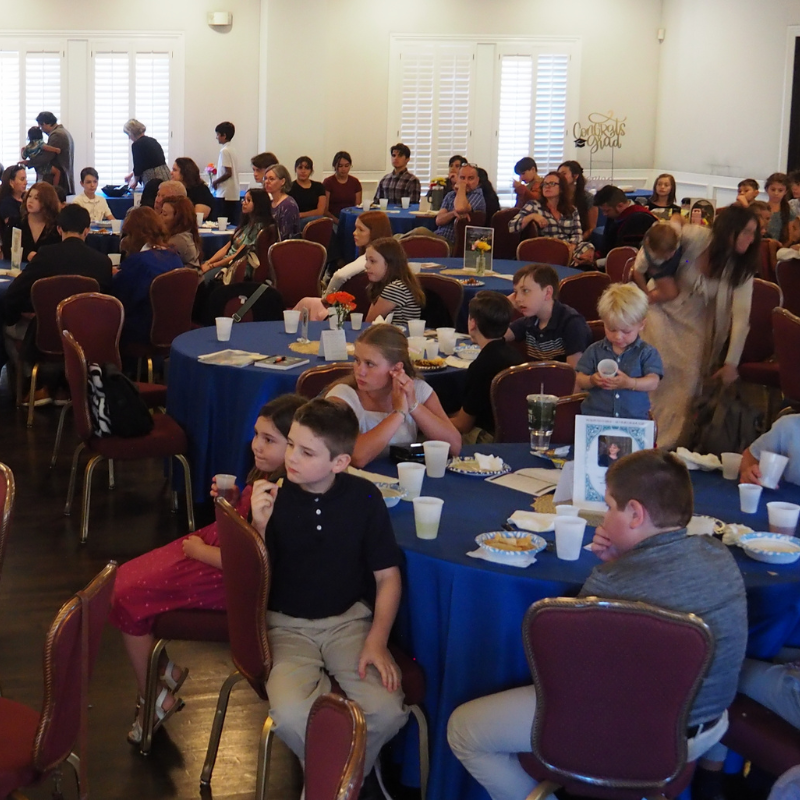
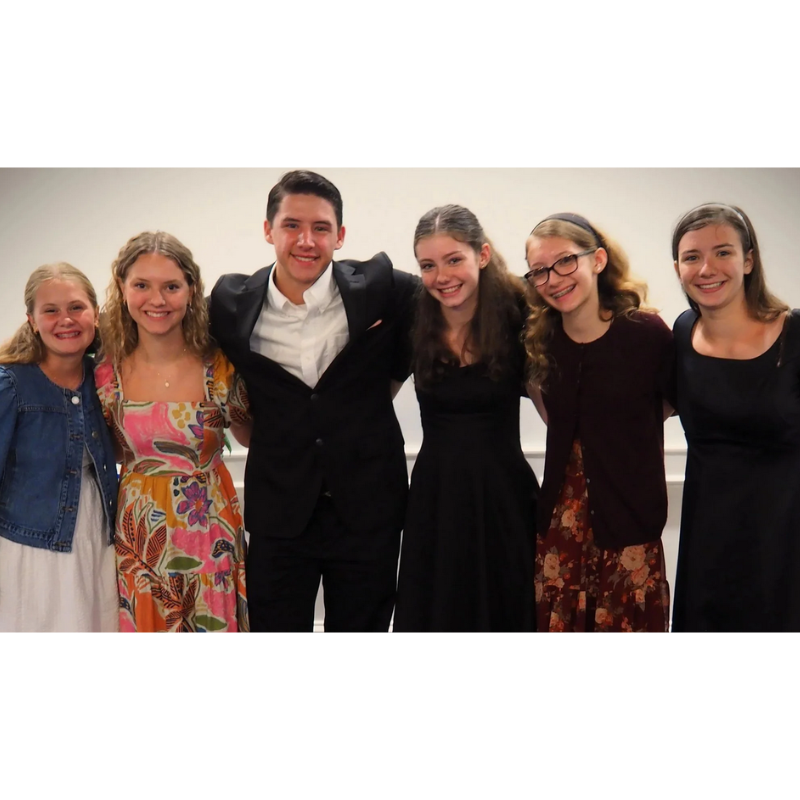
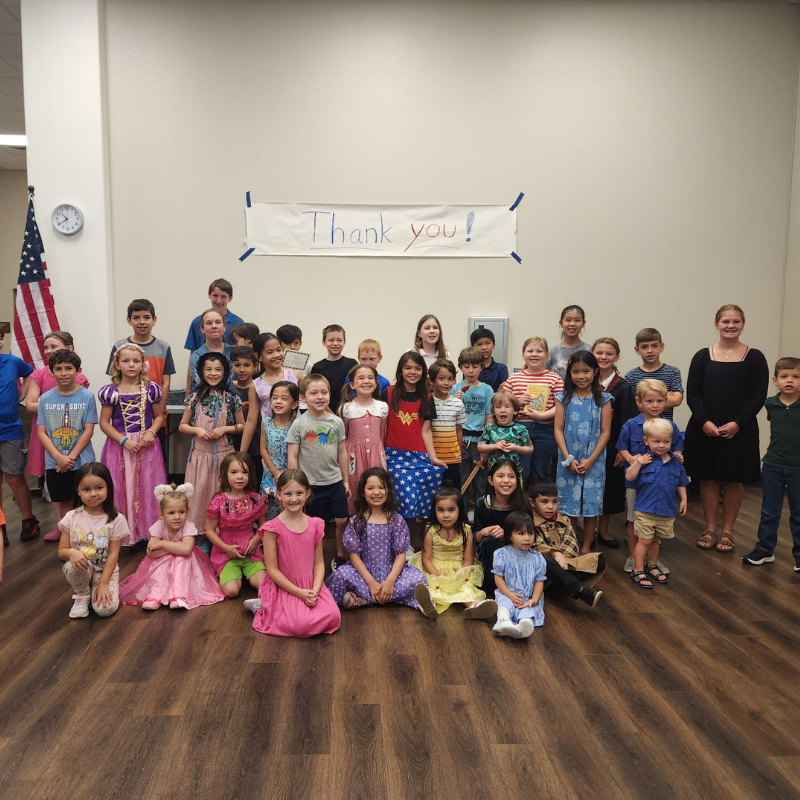
A look back at where CHECH families gathered to wonder together in 2024–2025
Keep the empty hour
Guard it the way you guard the math lesson. Let the questions come at inconvenient times, and answer them anyway. You are not wasting the morning. You are giving a child the one condition under which anything worth learning has ever been learned.
Download the booklet, PDFThe annual themes
One question runs through all of them: why do you home educate, and how does CHECH help you keep at it? Each year answers it from a different side.
